
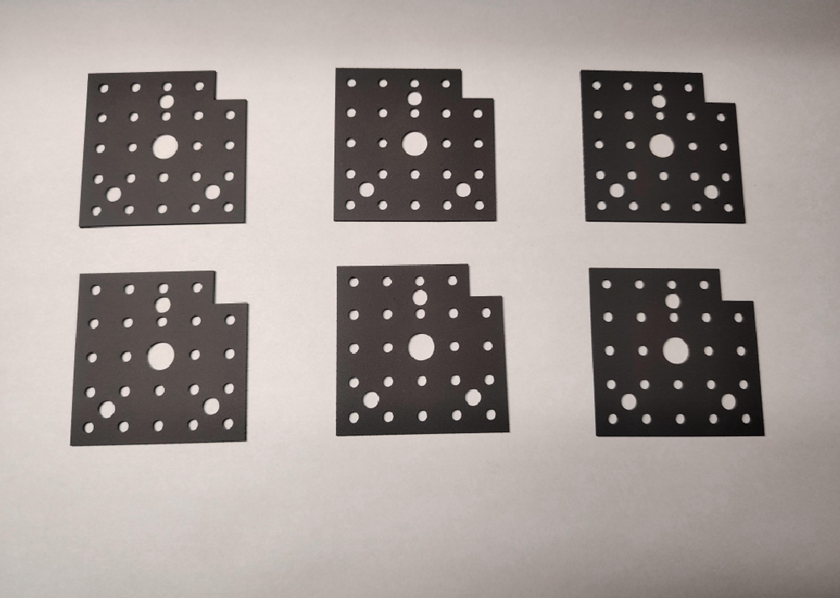
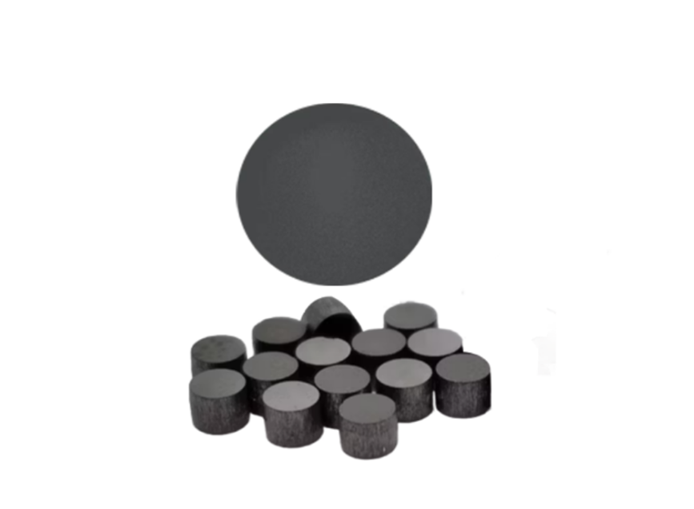
Boron-Doped Diamond (BDD) is a unique advanced material that combines the exceptional hardness, chemical stability, and thermal conductivity of diamond with electrical conductivity enabled by boron doping. With a resistivity as low as 10⁻³ Ω·cm, BDD stands out as a chemically inert yet conductive electrode material, making it ideal for electrochemical applications in harsh environments.
Compared to traditional materials like platinum or glassy carbon, BDD exhibits a wider potential window (>3.5 V in aqueous solution), minimal background current, and extreme resistance to corrosion. These properties make it irreplaceable in fields such as wastewater treatment, electrochemical sensing, and high-performance oxidation processes.
Furthermore, BDD maintains performance at high temperatures (>500°C) and under strong acids or alkalis. Its long lifespan and stability under extreme conditions significantly reduce system maintenance and operational costs. As emerging technologies demand more durable and precise materials, BDD is becoming an indispensable solution across both industrial and scientific applications.
| No. | Property | Typical Value / Feature | Remarks |
|---|---|---|---|
| 1 | Resistivity | ~10⁻³–10⁻¹ Ω·cm | Depends on boron concentration |
| 2 | Boron Doping Concentration | 10¹⁹–10²¹ atoms/cm³ | >10²⁰ cm⁻³ required for good conductivity |
| 3 | Electrochemical Potential Window | >3.5 V (in aqueous solutions) | Much wider than Pt or glassy carbon |
| 4 | Background Current | Extremely low | Enables high signal-to-noise ratio |
| 5 | Surface Roughness (RMS) | <10 nm (microcrystalline) to hundreds nm | Depends on growth conditions |
| 6 | Thermal Conductivity | ~1000–2000 W/m·K | Slightly lower than intrinsic diamond |
| 7 | Operating Temperature | Up to 500°C or higher | In inert or vacuum conditions |
| 8 | Corrosion Resistance | Excellent | Stable in acidic, alkaline, and Cl⁻ media |
| 9 | Hardness (Vickers) | ~90–100 GPa | Comparable to pure diamond |
| 10 | Electrode Lifetime | >1000 hours (under industrial conditions) | Significantly longer than Pt or Ti electrodes |
| 11 | Oxygen Evolution Potential | >2.5 V vs. Ag/AgCl | High selectivity for oxidative processes |
| 12 | Surface Energy | ~1000 mJ/m² | Ensures strong adhesion |
| 13 | Charge Transfer Resistance | Tunable via doping level | Lower resistance at high doping |
| 14 | Surface Functional Group Stability | Very high | Chemically robust under harsh conditions |
| 15 | Electrode Reusability | Excellent | Can be thermally or electrochemically cleaned |